
Der Farbcode von Ralph Lauren. Analysen von Guillaumette Duplaix, Chefredakteurin von RUNWAY ZEITSCHRIFT.
In the contemporary fashion colour is often ephemeral, dictated by the relentless tempo of seasonal trends. Yet, an American fashion house has achieved the tour de force of transmuting the chromatic spectrum into a timeless vernacular of power, heritage, and social belonging: Ralph Lauren.
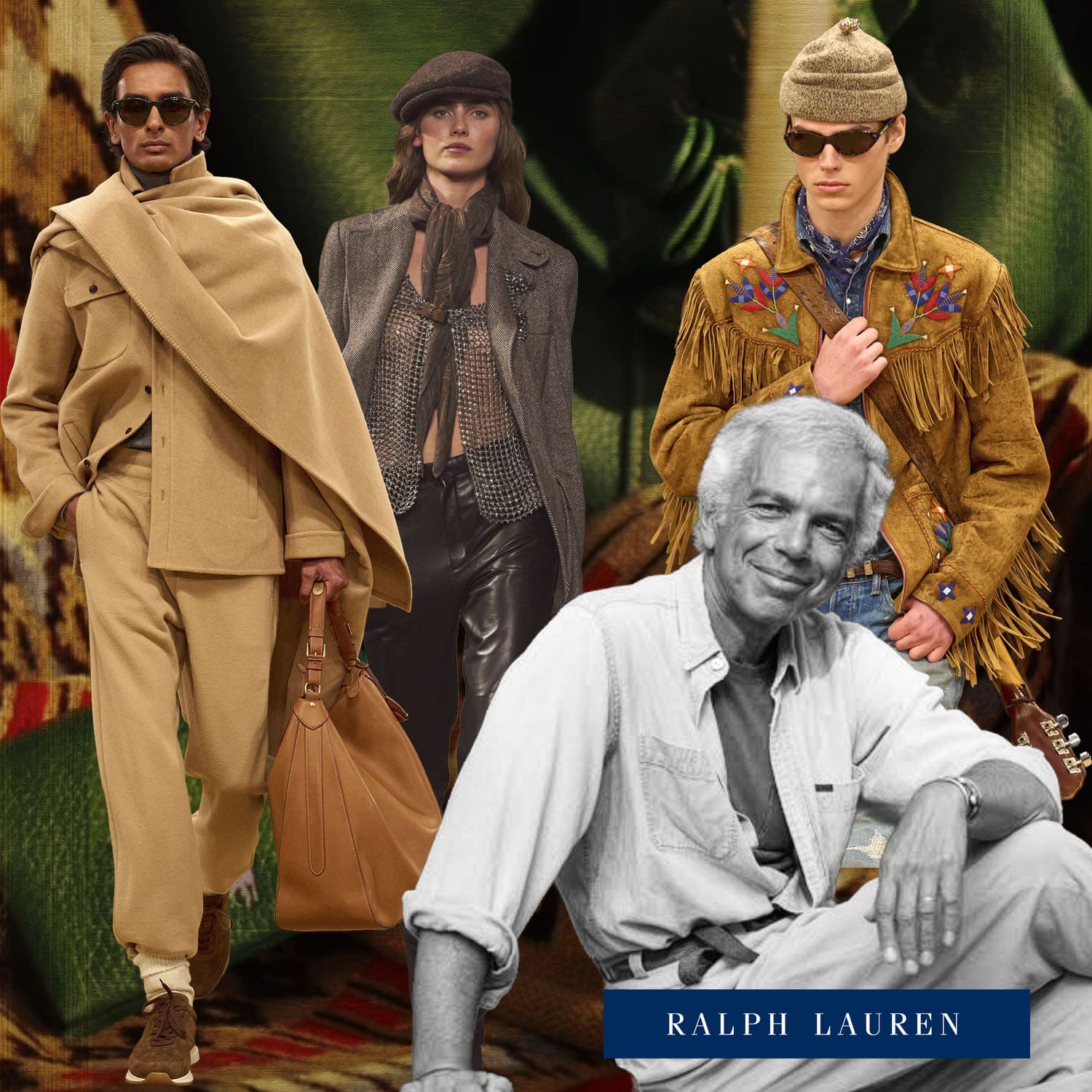
The Man and the Visual Identity: The Foundations of the Brand
Who is Ralph Lauren?
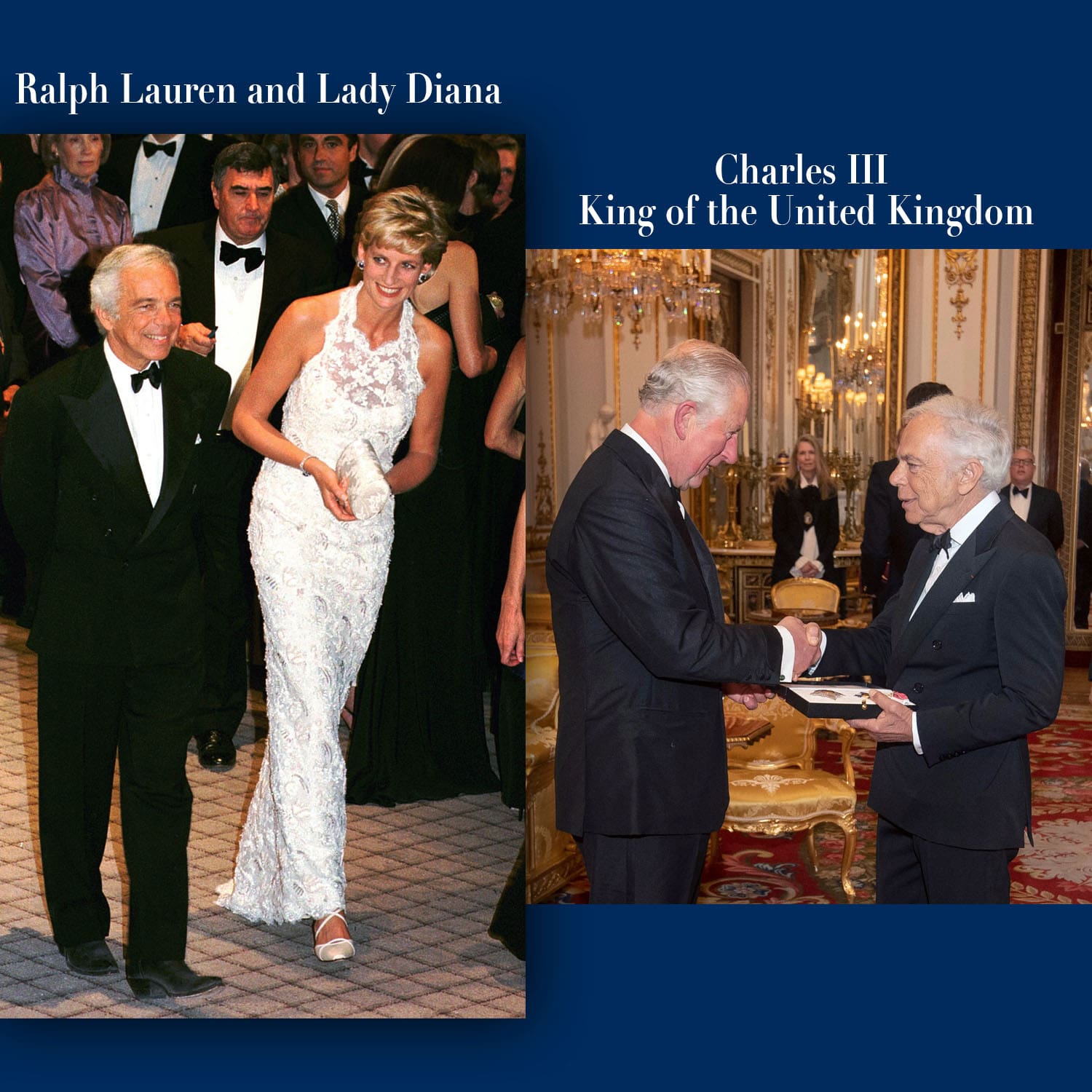
The “persona” of Ralph Lauren is no fiction, but an authentic individual. He is Ralph Lauren, born Ralph Lifshitz, an American fashion designer. Far more than a couturier, he is the quintessential self-made man who transformed his own name into a living embodiment of the “American Dream” and an aristocratic Kunst des Lebens.
Here is who the man is, his narrative, and what he embodies:
- 1. His Origins: A Son of Immigrants from the BronxBorn to a family of Belarusian Jewish immigrants in the Bronx, the young Ralph grew up in modest surroundings. Enamoured by Hollywood cinema, the tailoring of figures such as Cary Grant and Gary Cooper, and the understated elegance of the old British aristocracy, he chose at an early age to change his surname (Lifshitz becoming Lauren) to author his own destiny.
- 2. The Genesis: Wide Ties (1967)He began his career as a clothing salesman. In 1967, while employed by a tie manufacturer, he decided to create his own designs: wider, more richly coloured, high-end neckties, hand-crafted from prestigious fabrics. Defying the industry consensus of the era, the collection was an instant triumph, paving the way for the launch of his brand, POLO.
- 3. What the Ralph Lauren “Persona” EmbodiesRalph Lauren evolved into the archetype of the American gentleman farmer and the undisputed global master of Preppy and Old Money style. He is recognizable by precise aesthetic codes that define his public image:
- The “Western Chic” Look: His personal style frequently pairs distressed denim, sterling silver buckle belts, cowboy boots, and suede jackets with chambray and denim shirts.
- Sartorial Elegance: For formal occasions, he epitomizes absolute refinement in bespoke black tie or double-breasted suits from his Purple Label collection.
- The Passionate Connoisseur: He is equally renowned for his collection of vintage sports cars—among the most prestigious in the world, including rare Bugattis, Ferraris, and McLarens—which routinely inspires the palettes and designs of his collections.
In essence, Ralph Lauren is a master storyteller. He did not invent novel silhouettes, yet he succeeded in selling the lifestyle of an American elite to the entire world, thus becoming the living embodiment of his own brand.
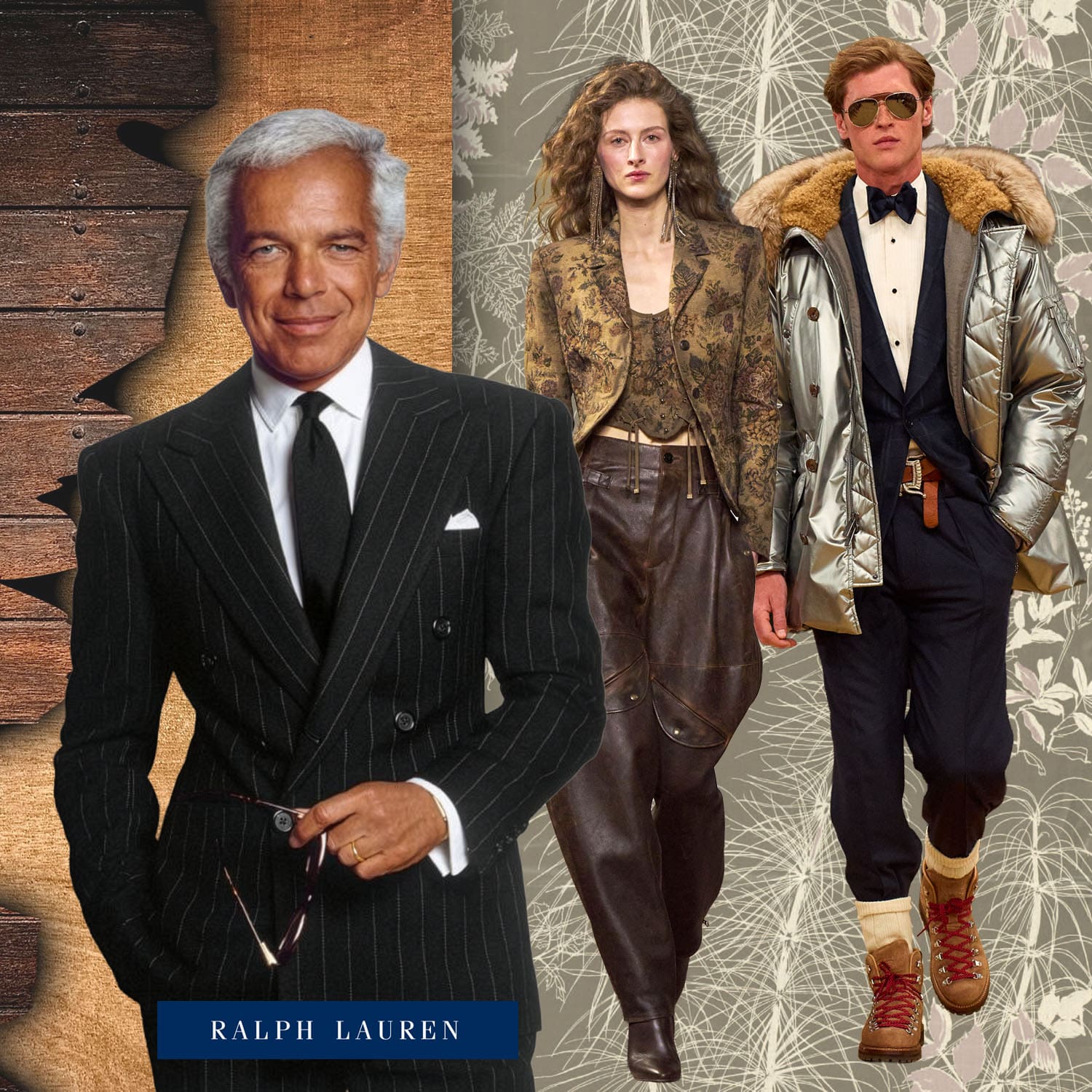
HEX Colour Codes of the RALPH LAUREN Brand
By appropriating the chromatic codes of an established patrician class and democratising them on a global scale, the designer-in-chief elevated deep navy blue, camel beige, and forest green into the official nuances of an aspirational lifestyle. From the mathematical precision of institutional HEX values to the geopolitical psychology governing how these hues are perceived across continents, stepping into the universe of RALPH LAUREN reveals an immediate steadfastness: an unwavering chromatic consistency sustained across every collection.
The iconic colours and the palette of Ralph Lauren rest upon classic, timeless, and preppy-inspired hues.
- Visual Identity and Logo Colours: White, black, and navy blue (dark blue) dominate Ralph Lauren’s corporate imagery and brand collateral.
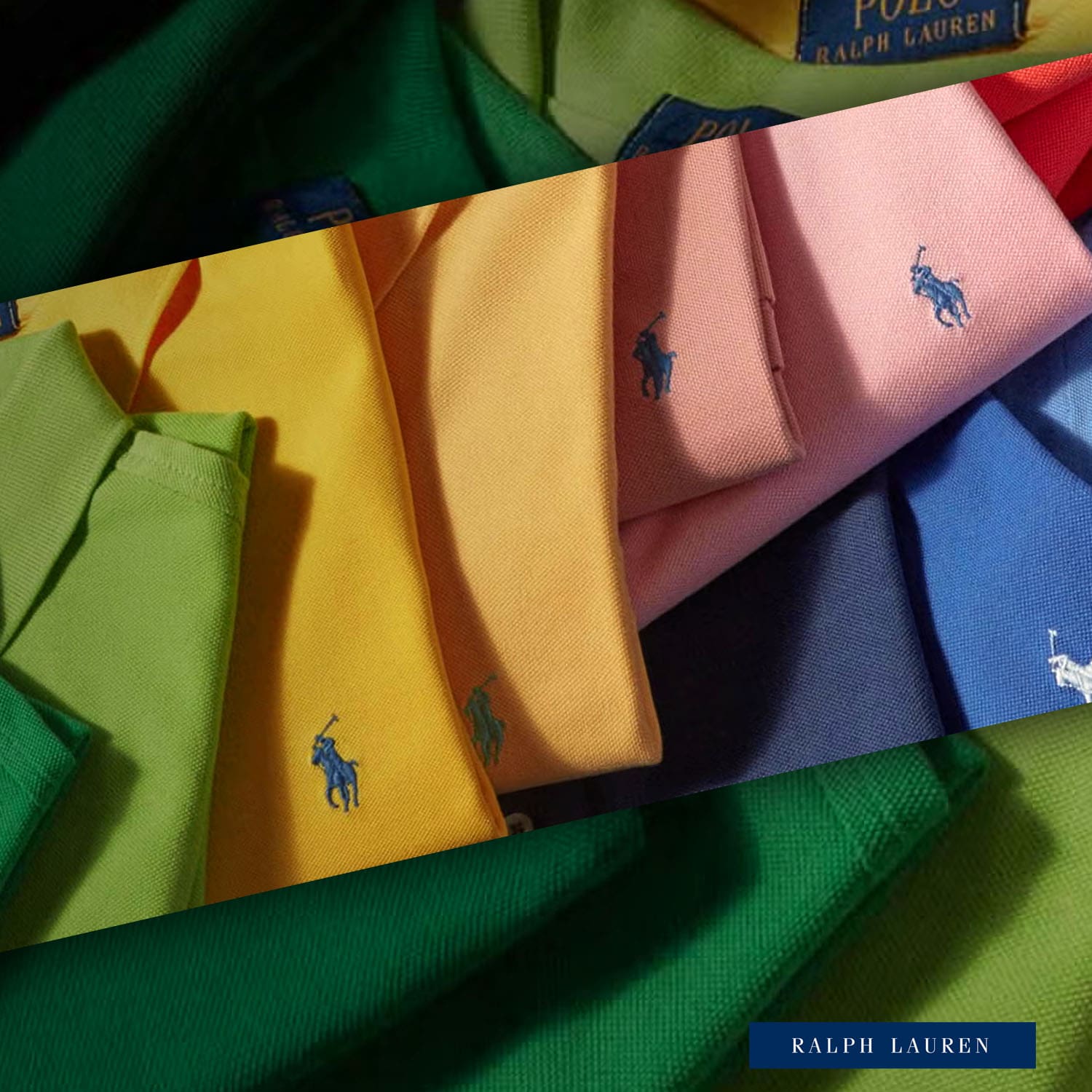
The hallmarks of the POLO wardrobe offer over thirty shades for its iconic polo shirts, blending timeless staples (navy blue, white, beige, black, grey, brown) with bolder seasonal expressions (green, orange, red, pink, purple).
Corporate Visual Identity (Logo & Corporate)
For its institutional and corporate identity, Ralph Lauren adheres to a rigorous style guide:
- Official Black: #000000 (Employed for the primary logo, elegant typography, and classic Polo imagery).
- Weiß: #FFFFFF (Ensures contrast and the brand’s minimalist clarity).
- Corporate Blue: #1D2F4E (A deep navy blue nuance officially registered for Ralph Lauren Corporation).
Corporate Blue Specifications
| Corporate Blue Specifications | Werte |
|---|---|
| Hex-Code | #1D2F4E |
| RGB-Werte | (29, 47, 78) |
| CMYK-Werte | (63, 40, 0, 69)* |
| Pantone® | 533 C* |
Signature-Farbpalette
| Farbname | Exact HEX Code | Visuelle Beschreibung |
|---|---|---|
| Club Navy (RLTH228) | #333544 or #2E3B4F | The signature navy blue of Ralph Lauren blazers and club lounges. |
| Polo Green (RL1756) | #353F40 | The deep, muted green associated with leather goods and sporting pursuits. |
| Track Green (RLIB213) | #246646 | A bottle green emblematic of East Coast Ivy League campus aesthetics. |
| English Gold (RLTH203) | # A18359 | A golden ochre reminiscent of equestrian heritage and fine saddlery. |
Corporate & Logo: Official Black (#000000), White (#FFFFFF), and Corporate Navy Blue (#1D2F4E).
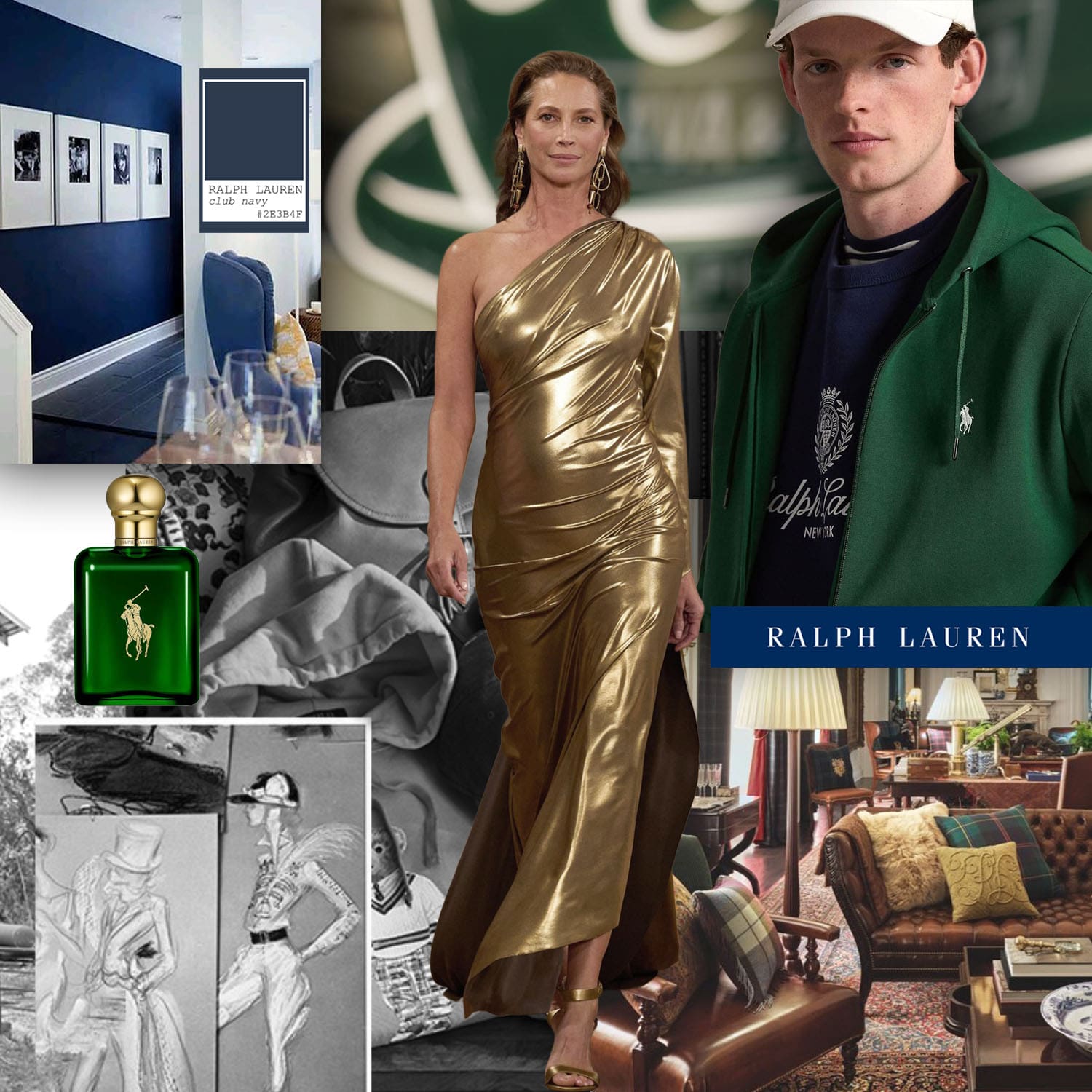
Origins & Chromatic Impact in Fashion
The origin of Ralph Lauren’s colour choices stems directly from the founder’s artistic vision and his lifelong fascination with mythical chapters of American history and culture. Ralph Lauren did not select colours for aesthetic appeal alone, but to articulate narratives and project a complete lifestyle.
The historical origins of his chromatic palette rest upon three pillars:
- Ivy League and Preppy Aesthetics: Bottle green (Track Green), navy blue, and burgundy draw directly from the sartorial dress codes of mid-twentieth-century American elite universities (Harvard, Yale, Princeton). These hues articulate an understated, academic, and timeless social prestige.
- The Equestrian World and Country Club Culture: Captivated by the sport of kings, Ralph Lauren drew heavily from the worlds of polo and thoroughbred racing. This affinity yielded his celebrated saddlery browns, golden ochres (English Gold), pristine tennis whites, and vibrant sporting reds.
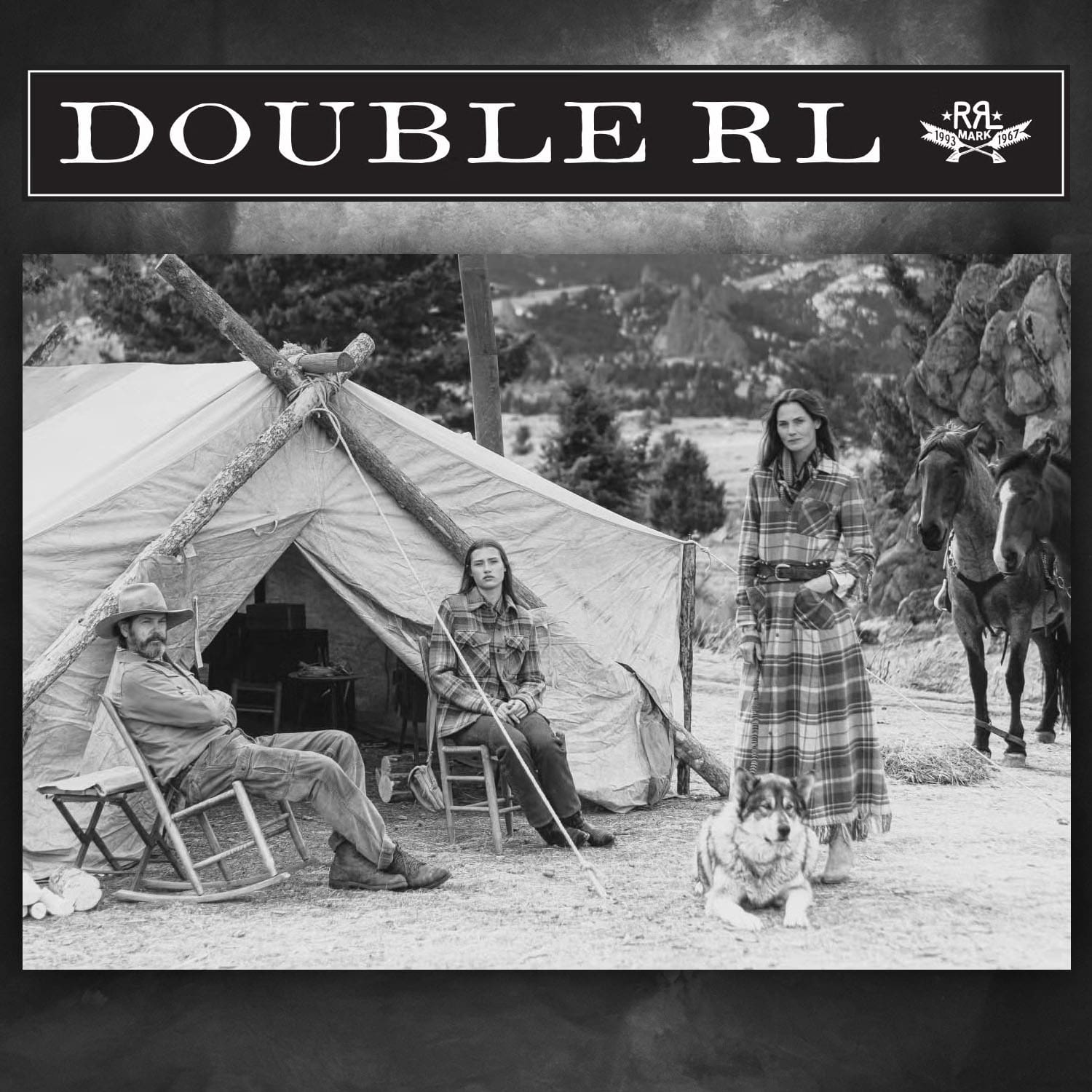
- The Heritage of the American Frontier (Western & Workwear): With the introduction of the RRL (Double RL) line, the designer incorporated earthy tones, dust, sand, and the raw indigo of vintage workwear denim. These choices reflect his affinity for his Colorado ranch, authentic vintage garments, and the romantic folklore of early American pioneers.
In essence, the Ralph Lauren palette was forged from a desire to capture the “American Dream” in its most romanticised dimensions: the sporting patricians of New England on one side, and the rugged authenticity of the American West on the other.
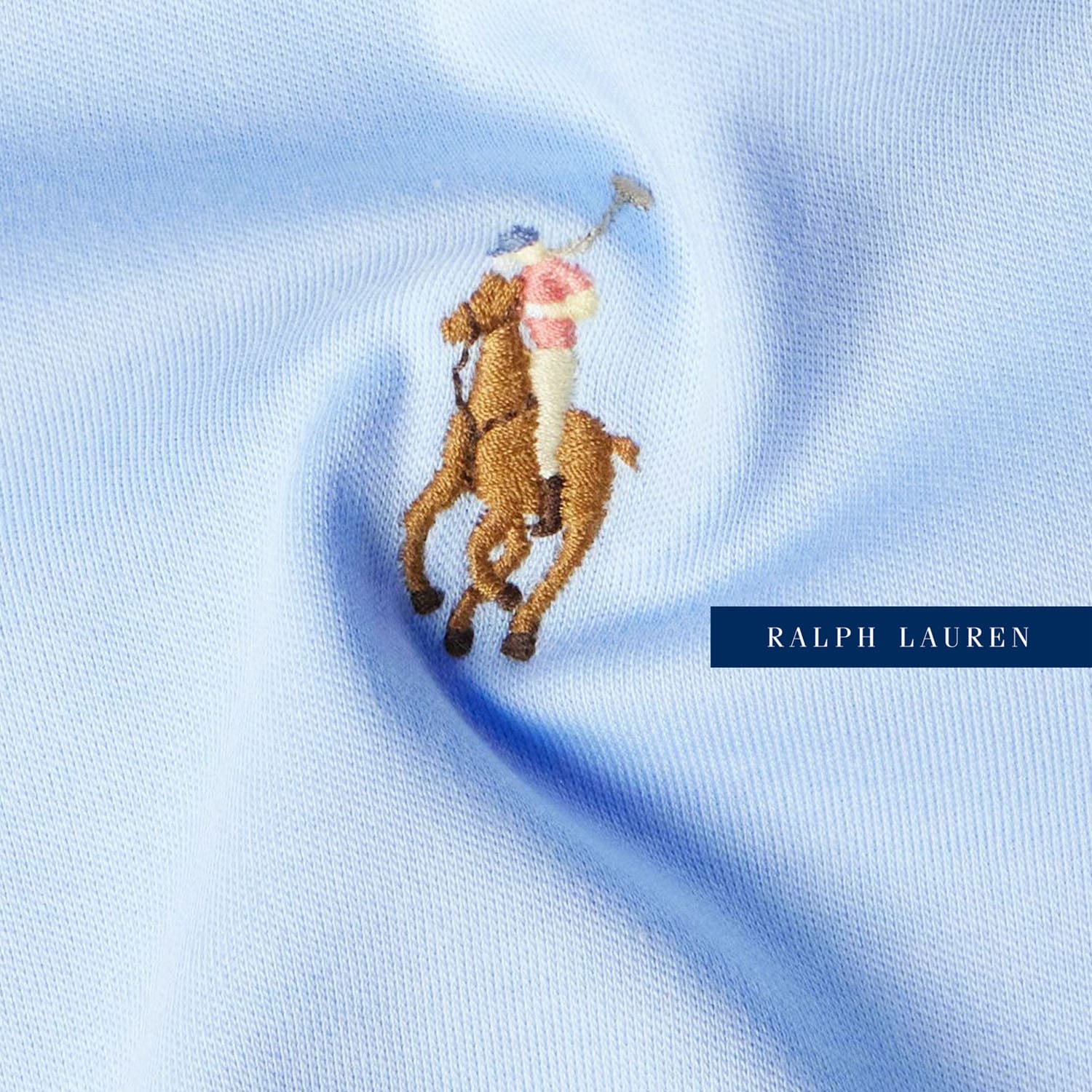
Origin and History of the Logo: The Polo Player
Here are two of the most compelling facets of Ralph Lauren’s universe and personal life: the genesis of his legendary insignia and his automotive collection, both of which directly inform his aesthetic trajectory.
The History of the Logo: The Polo Player
The polo player ranks among the most instantly recognizable emblems on earth, yet its inception was almost serendipitous:
- The Genesis (1971): Ralph Lauren introduced his inaugural women’s tailored shirt collection. Seeking a subtle touch of distinction for the cuff, he looked for an emblem. He selected the polo player because the sport represented, in his eyes, poise, an athletic lifestyle, camaraderie, and an accessible nobility.
- The First Motif: The iconic pony embroidery did not make its debut on a polo shirt, but on the cuff of a woman’s tailored shirt. It was only in 1972 that the logo took its place upon the chest of the celebrated short-sleeved piqué polo shirt, offered in twenty-four colours.
- A Miniature Work of Art: The official logo requires precisely 981 individual embroidery stitches to achieve its exact execution.
Production secrets: the 981 embroidery stitches.
PSYCHOLOGY & GLOBAL MAPPING OF COLOUR
The resilience of the Ralph Lauren empire resides in its capacity to wield colour as an instrument of non-verbal dialogue. Comprehending the house’s planetary reach requires examining how its chromatic repertoire engages specific psychological triggers, and how these very pigments are deciphered and recontextualised across continents.
The Perception of Ralph Lauren Colours
Each major colour family championed by the designer engages subconscious emotional responses within the consumer:
- Navy Blue and Neutral Tones (Statutory Discretion): Deep navy, camel beige, and off-white comprise the triumvirate of Quiet Luxury. Psychologically, these shades are soothing to the eye; they possess nothing to prove. They project financial solidity, quiet confidence, and an innate distinction. Donning these hues asserts elevated social standing without succumbing to ostentation.
- Saturated Hues (Optimism and Vitality): By contrast, the sun-drenched yellows, vivid fuchsias, and vibrant turquoise tones of the iconic polos inject an uncompromising dose of positive psychology. These saturated shades instantly conjure images of summer holidays, open-air sporting pursuits, and the vibrant youth of coastal country clubs. They radiate hedonism, an infectious vitality, and dynamic nonchalance.
- Earthy Tones (Authenticity and Nostalgia): The khaki, chocolate brown, and weathered indigos of the RRL line elicit trust and resilience. Visually, they evoke the passage of time, raw nature, and artisan craftsmanship. They reassure the consumer by summoning nostalgia for an enduring, unvarnished era.
Analysis of the Geographic Positioning of Ralph Lauren Colours
While Ralph Lauren’s palette boasts universal appeal, its cultural resonance shifts dramatically depending on regional perspectives.
On the international stage, the perception of Ralph Lauren’s colours has transcended national borders to establish itself as the universal passport to aspirational Americana. Yet, across distinct corners of the globe, this chromatic spectrum strikes notably nuanced chords.
The house has constructed a coherent global visual hierarchy through four primary perceptions:
1. The Symbol of the “American Dream” in Europe and Asia
In international markets (notably France, the United Kingdom, Japan, and South Korea), Ralph Lauren’s cornerstone shades—such as navy blue, off-white, and scarlet red—are viewed as far more than basic pigments.
- Die Wahrnehmung: They are decoded as a romantic vision of the United States: Hamptons leisure, athletic prowess, and self-made triumph.
- Der Aufprall: Across Asia, adopting these shades represents an embrace of a sophisticated, high-end Western Kunst des Lebens, embodying a contemporary outlook grounded in heritage.
2. The Semantics of Colour-Coded Labels (Label Coding)
For sartorial connoisseurs globally, colour within the Ralph Lauren universe operates as a marker of provenance and price tier, articulated through its distinct label hierarchy:
- The Purple Label: Regarded worldwide as the pinnacle of bespoke luxury and master tailoring, predominantly crafted in Italy.
- The Black Label: Associated with a sleeker, more cosmopolitan and tailored expression of modern chic.
- The Blue Label (Polo / Blue Label): Recognized internationally as the definitive hallmark of casual preppy elegance.
3. The Cultural Impact of the Polo’s Vibrant Palette
The kaleidoscopic spectrum of polo shirts has produced contrasting cultural readings:
- In Latin America and Southern Europe: Radiant, sun-soaked shades (fuchsia, tangerine, vibrant yellow) were welcomed as an authentic celebration of relaxed elegance, harmonising with radiant climates and traditions that celebrate expressive individuality through colour.
- In Anglo-Saxon and Nordic Regions: These identical saturated hues have traditionally served as the codified holiday uniform of the leisure class (“Country Club” style), signaling specific social pedigree.
4. The Universality of Navy Blue Amid Cultural Variations
The choice of deep navy blue as the keystone of Ralph Lauren’s identity represents a cornerstone of its global longevity. While white or red carry polarized connotations across continents (white signifying mourning in several Asian cultures while representing purity in the West), Ralph Lauren’s navy blue achieves unanimous consensus. Worldwide, its reception remains steadfast: it commands trust, benevolent authority, timeless poise, and universal refinement, enabling the house to integrate seamlessly into diverse cultural landscapes.
Perception of Ralph Lauren Colours in Asia
The reception of Ralph Lauren’s palette in Asia—particularly across Japan, South Korea, and China—offers an extraordinary case study in how codified elements of American culture have been adopted and reimagined through contemporary Asian aesthetics.
In these markets, the brand’s colours transcend ready-to-wear; they serve as instruments of social curation.
1. The Triumph of Neutrals and Monochromes (The Aesthetic of Effortless Romance)
In South Korea and Japan, Ralph Lauren’s understated classics—camel beige, cream, white, and soft grey—enjoy immense acclaim.
- Die Wahrnehmung: Polo Ralph Lauren garments—especially cable-knit sweaters in beige or navy—are ubiquitous across South Korea’s popular romantic reality programs.
- Der kulturelle Kontext: These neutral, monochrome tones represent the ideal balance for refined business-casual dressing among younger demographics. They prove tailor-made for coordinating “couple looks” (matching outfits), an influential cultural practice in Asia designed to project harmony, gentility, and emotional security.
2. The “City Boy” Phenomenon in Japan (The Devotion to Navy and Khaki)
Japan has cultivated a profound dialogue with Ralph Lauren since the 1970s. Championed by foundational menswear publications such as Popeye, Japanese youth cultivated the urban subcultural aesthetic known as “City Boy”.
- Die Wahrnehmung: Navy blue, military olive/khaki, and archival tartans are revered as emblems of intellectual streetwear and vintage counter-culture.
- Der Aufprall: In Tokyo, these traditional shades are recontextualised with irreverent panache: a Ralph Lauren navy blazer or brown tweed coat is layered over raw selvedge denim, an athletic ballcap, or designer sportswear. Classic colour thus morphs into a subversive, cutting-edge style statement.
3. The Social Status Badge of Asian Gen Z
The global resurgence of the “Old Money” aesthetic has struck an especially potent chord among Generation Z in China and South Korea.
- Die Wahrnehmung: Crisp white, navy blue, and deep forest green are decoded by emerging luxury consumers as markers of unpretentious pedigree and prestigious education.
- The Marketing Resonance: K-Pop luminaries (including members of groups such as aespa, ENHYPEN, and NCT Wish) regularly attend major public appearances in tailored navy blazers or cream knits in Seoul, cementing these hues as the ultimate signifiers of youth refinement.
4. Adapting to Celebratory Traditions (The Case of Festive Red)
Asia remains an essential engine of global expansion for the brand, prompting nuanced chromatic recalibrations.
- Die Wahrnehmung: During key festive seasons such as the Lunar New Year in China, Ralph Lauren shifts from its habitual reserve to spotlight ceremonial crimson and gold.
- Der Aufprall: Here, the American palette seamlessly aligns with local traditions. Red departs from its Western sporting and country-club connotations to embody prosperity, fortune, and sartorial grandeur, driving substantial consumer resonance.
Perception of Ralph Lauren Colours in Latin America & Southern Europe
1. In Latin America: Chromatic Expressionism and Overt Distinction
Across Latin America, the reading of Ralph Lauren’s colours sheds the academic restraint of the American East Coast to embrace an exuberance of spirit:
- The Preeminence of Saturated Hues: The vibrant tones of the polo shirts (fuchsia pink, sun-drenched yellow, turquoise, festive orange) are met with boundless enthusiasm. Rather than being judged as conspicuous, they are seen as hallmarks of self-assurance, vitality, and contemporary flair. They complement the luminous equatorial light and regional cultures that celebrate personal distinction through color.
- The Logo as Chromatic Counterpoint: The embroidered polo player, rendered in high contrast against the fabric ground (such as a scarlet pony against turquoise piqué), serves as an essential emblem of social accomplishment. Colour structures an overt, unapologetic statement of prestige.
- Reconnecting with the Land (The RRL Line): The earthy pigments, terracotta, sand beige, and aged indigos of RRL resonate deeply in Mexico and Argentina. They are regarded as an elegant analogue to gaucho and ranchera heritage, marrying regional folklore with luxury Americana.
2. In Southern Europe: “Riviera” Sophistication and Sartorial Heritage
Across Italy, Spain, Portugal, and Greece, the Ralph Lauren palette is filtered through centuries of tailoring tradition and the effortless Kunst des Lebens of the Mediterranean basin:
- The “Coastal Chic” and Resort Aesthetic: Southern Europeans masterfully claim the dialogue of crisp navy and brilliant white, alongside ecru, sky blue, and sand beige. Rather than summoning the brick quadrangles of New England, these tones evoke yachting, the Amalfi Coast, or the Cyclades—the quintessential uniform of breezy summer nonchalance.
- The Rejection of Neon in Favor of Pastels: Unlike in Latin America, overly brazen neon hues are often viewed in Southern Europe as excessively tourist-centric or transatlantic. Italian and Spanish patrons gravitate toward muted pastels (spearmint green, washed rose, pale lemon) or the understated elegance of solid monocolour.
- Harmony with Regional Tailoring: The brand’s autumnal and winter shades (oxblood/bordeaux, forest green, chocolate brown, camel) align effortlessly with Southern European tailoring traditions. A Ralph Lauren navy blazer or camel cable-knit cashmere sweater reads as a direct homage to classic sartorial codes, integrating seamlessly with local refinement.
Zusammenfassend The strength of Ralph Lauren lies in its fluidity: Latin America leans into its dynamic, sun-drenched palette to project infectious vitality, while Southern Europe embraces its maritime, neutral, and deep foundational tones to enrich its own vocabulary of timeless elegance.
Perception of Ralph Lauren Colours in Central & Northern Europe
Across Central Europe (Germany, Austria, Switzerland, Poland) and Northern Europe / Scandinavia (Sweden, Denmark, Norway, Finland), the interpretation of Ralph Lauren’s palette pivots decisively. In these societies, shaped by minimalist design principles, functionalism, and social reserve, the house’s hues are filtered through pragmatism and sobriety.
Here is how these cultures interpret and assimilate Ralph Lauren’s chromatic universe:
1. In Northern Europe: Organic Minimalism and the Philosophy of Lagom
In Scandinavia, cultural norms eschew ostentation. Ralph Lauren’s chromatic expressions are filtered through the lens of nature and utilitarian design:
- The Reign of Neutrals and Earth Tones: The most revered shades remain off-white, heather grey, sand beige, olive khaki, and deep rich browns. These hues are perceived as organic, serene, and ageless, assimilating cleanly into Scandinavian interior and fashion aesthetics.
- Navy Blue as the Understated Alternative to Black: Ralph Lauren’s navy blue functions as the benchmark of day-to-day sophistication. It supplants traditional Scandinavian black, introducing a softer, discreet illumination well-suited to Northern latitudes.
- The Reception of Saturated Shades: Vivid hues (bright magenta, orange, electric turquoise) are approached with marked hesitation. They are frequently perceived as “too American” or visually intrusive. When a vibrant accent is introduced, it is deployed with calculated restraint, grounded by charcoal or navy in keeping with the ethos of Lagom (not too little, not too much).
2. In Central Europe: Functionalism and Disciplined Business Casual
In countries such as Germany and Switzerland, chromatic perception is closely linked with order, efficiency, and versatility:
- The “Professional Uniform” Palette: Ralph Lauren’s navy blue, sky blue, white, and charcoal grey serve as the quintessential baseline of reliability. A navy cable-knit sweater or an azure Oxford cloth button-down represents the epitome of purposeful dressing, transitioning effortlessly from a structured boardroom environment to an evening engagement.
- The Reverence for Archival Autumnal Hues: Tones such as Polo Green, oxblood bordeaux, and chocolate brown strike a resonant chord across Germanic cultures. They evoke an enduring, robust autumn elegance, recalling private country estates and nature walks—motifs held in high esteem.
- The Execution of the Insignia: Departing from other regions, clientele in Central and Northern Europe demonstrate a pronounced preference for tone-on-tone embroidery (where the pony matches the exact shade of the garment). A contrasting logo is often perceived as lacking subtlety, whereas tone-on-tone preserves the prized ethos of quiet discretion.
Zusammenfassend Across Central and Northern Europe, Ralph Lauren’s chromatic palette sheds any theatricality or celebratory exuberance. It is embraced instead as the architecture of a durable, functional, and superior wardrobe, favouring muted tones, deep blues, and woodland hues to elevate everyday living grounded in understatement and authenticity.
Perception of Ralph Lauren Colours in England
In England, the reading of Ralph Lauren’s colours rests on a dialogue between American preppy heritage and the ancient sartorial traditions of the British aristocracy and sporting life. The brand is observed through two distinct chromatic lenses:
1. “Heritage” Colours: The Assimilation into British Style
Ralph Lauren has masterfully adopted shades that resonate profoundly within the English imagination. These nuances are not viewed as imported American tropes, but rather as an homage to countryside leisure and classic London tailoring:
- British Racing Green & Forest Green: Directly invoking British motor racing pedigree and sprawling country estates, these tones represent timeless sporting luxury.
- Navy & Cream: Celebrated as the ultimate baseline of understated poise and prestigious club uniforms (particularly in yachting, rowing, and lawn tennis).
- Earthy Tones (Putty, Tonal Grey, Bordeaux): Associated with rich textures such as tweed and corduroy, they immediately evoke the academic corridors of Oxford and Cambridge.
2. “Bright Ivy”: American Audacity Against Grey Skies
In sharp contrast to the muted, overcast tones traditionally worn in Britain, the buoyant palette of Polo Ralph Lauren (cerise pink, chrome yellow, tangerine, turquoise) brings a wholly different rhythm:
- A Casual Status Marker: In England, wearing a Ralph Lauren polo shirt or cable knit in saturated pastels or jewel tones signals an appreciation for American East Coast coastal resorts, such as the Hamptons.
- A Climatic Antidote: These injections of pigment deliberately offset England’s frequently grey weather, evoking a leisure-centric outlook anchored in sporting travel and open-air retreats.
3. Local Cultural Symbolism: The Wimbledon Partnership
The ultimate cultural anchor of Ralph Lauren’s palette in the United Kingdom is its historic partnership with the Wimbledon Championships. By outfitting the on-court officials and ball persons, the house codified its official tricolour palette into the British national consciousness: navy blue, forest green, and crisp white. This association imparts an aura of unimpeachable tradition, sporting excellence, and institutional respectability, perfectly aligned with British identity.
Perception of Ralph Lauren Colours in France
In France, the reception of Ralph Lauren’s palette is coloured by the nation’s intimate history with haute couture, bespoke tailoring, and a particular philosophy of bourgeois casualness. Colour is examined with a discerning, analytical eye, consistently linked to distinct societal archetypes.
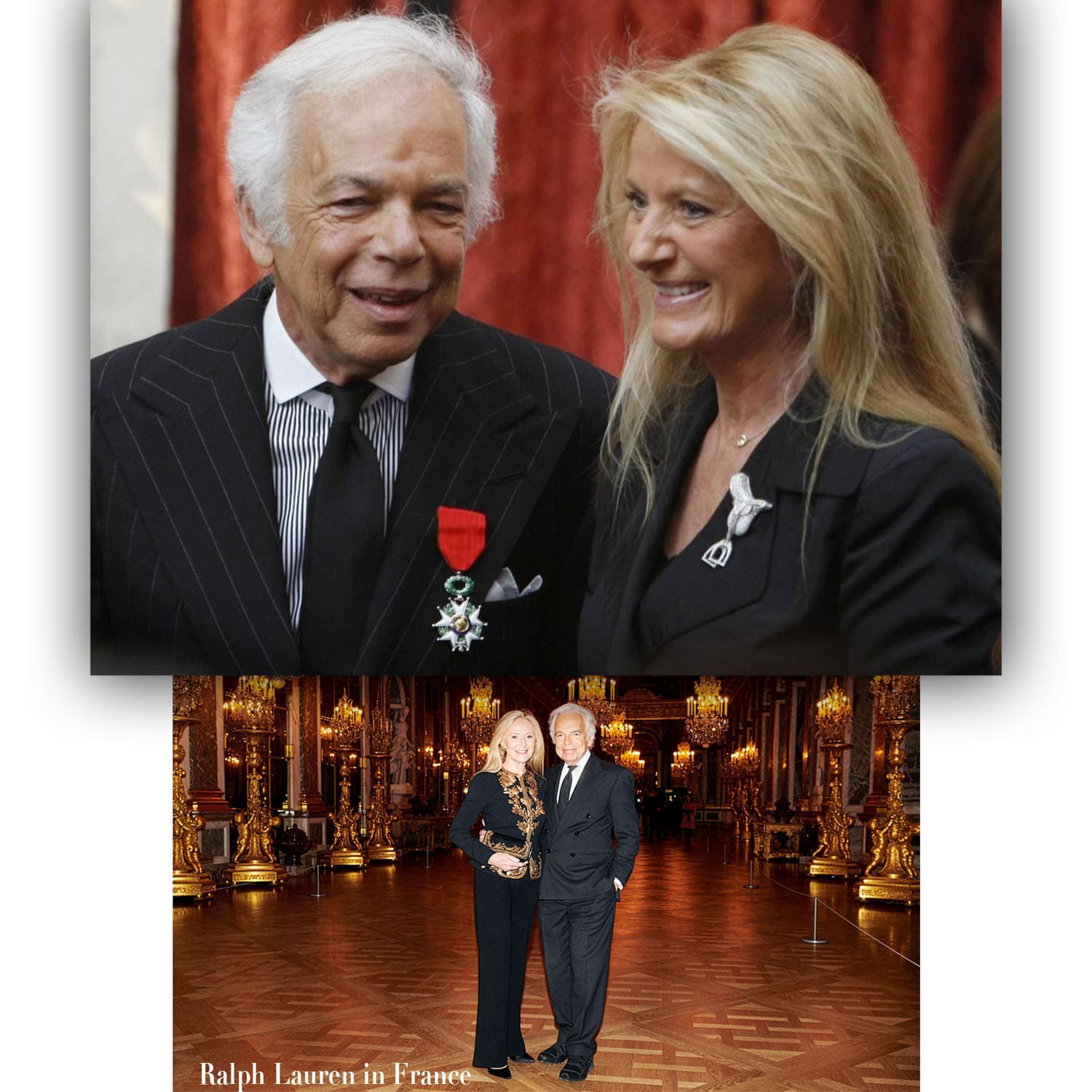
Here is how the French decipher and claim the house’s shades:
1. The “BCBG” Uniform and the Social Standing of Navy Blue
In France, the foundational Ralph Lauren colours—deep navy blue, camel beige, and off-white—are inseparable from the Adrett (BCBG) aesthetic.
- Die Wahrnehmung: Ralph Lauren navy is perceived as the zenith of tasteful classicism. It represents absolute stylistic certitude, typically styled as a cable knit over a crisp poplin shirt.
- The Defining Nuance: In contrast to Anglo-Saxon or Asian markets, the French public (particularly in Paris and traditional provincial hubs) displays an overwhelming preference for tone-on-tone pony embroidery (navy on navy). A vibrant scarlet pony on a navy ground is often viewed as overly American or demonstrative, whereas tone-on-tone is lauded for its understated refinement.
2. The Summer Wardrobe: “Deauville” and “Biarritz” Chic
With the arrival of summer, the perception of the palette shifts from academic classicism to the breezy elegance of patrician coastal resorts.
- Die Wahrnehmung: Crisp white, sky blue, and washed pastels (faded rose, mint green) evoke the ambiance of coastal getaways in Normandy or the Basque coast. These hues represent the pinnacle of high-end leisure: an aesthetic where one appears effortlessly elegant without ever seeming studied—the coveted French mühelos.
3. Scepticism Toward Neon and Oversaturated Tones
The profusion of high-voltage, vibrant hues (with the notable exception of Hermès orange; neon yellow and acid lime being cases in point) occasionally featured in the Polo lineup is met with far more caution in France than in Latin America.
- Die Wahrnehmung: These intense shades are frequently relegated to the golf course or dismissed as tourist attire. The French connoisseur invariably favours the subtlety of a gently patinated, sun-faded hue that suggests history and provenance, rather than a tone proclaiming its novelty.
4. Appropriation by Streetwear and Hip-Hop Culture
In a striking French dichotomy, the Ralph Lauren spectrum has been radically reclaimed by urban subcultures since the 1990s and 2000s.
- Die Wahrnehmung: Within French streetwear, vivid primary color-blocking (the house’s tricolour blue-white-red sailing jackets, bold ballcaps) and retro graphic lines are embraced as symbols of street credibility. The traditionally patrician navy blue is subverted alongside technical sneakers and oversized cuts, demonstrating that a pigment’s sociological meaning shifts entirely based on its sartorial staging.
Zusammenfassend In France, Ralph Lauren’s palette oscillates between the monastic restraint of tone-on-tone navy (the hallmark of timeless bourgeois discretion) and the retro audacity embraced by urban streetwear. The house achieves the feat of dressing two distinct French aesthetic sensibilities: enduring sartorial classicism on one side, and nostalgic street culture on the other.
Ralph Lauren Colours & Fashion
The imprint of Ralph Lauren’s palette upon world fashion has redefined American style, transforming hues once confined to patrician enclaves into a universal idiom of elegance. His chromatic philosophy pivots on a singular premise: deploying colour not as a transient trend, but as enduring heritage.
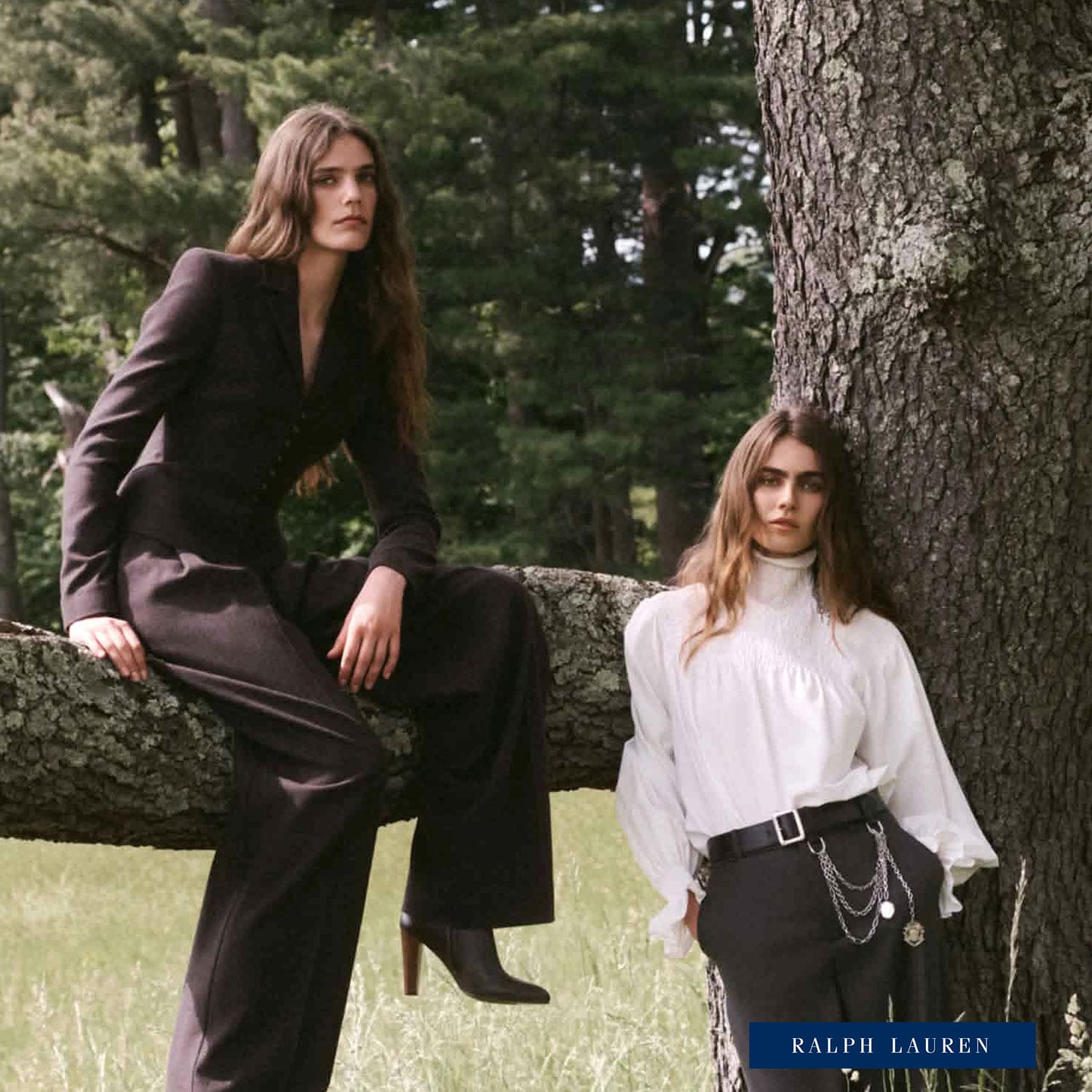
The influence of his palette unfolds across several foundational industry movements:
1. The Democratisation of “Old Money” and Preppy Style
Prior to Ralph Lauren, rigid navy blue, bottle green, and burgundy were the exclusive uniform of Ivy League campus elites. By claiming these hues for Polo Ralph Lauren, he opened this aspirational wardrobe to the world. He demonstrated that these sober, discreet tones could evoke modernity and effortless cool, establishing the foundations of contemporary casual chic.
2. The Chromatic Explosion of the Iconic Polo
Counterbalancing his corporate sobriety, Ralph Lauren initiated a revolution across menswear and womenswear by offering his piqué cotton polo in an endless spectrum of vibrant tones (exceeding thirty shades seasonally, from baby pink and citrus orange to canary yellow and lime). This abundance empowered men to integrate bolder colours into their daily repertoire without compromising poise or masculinity—a pivotal transformation for 1980s and 1990s ready-to-wear.
3. Monochromatic Grandeur with Purple Label
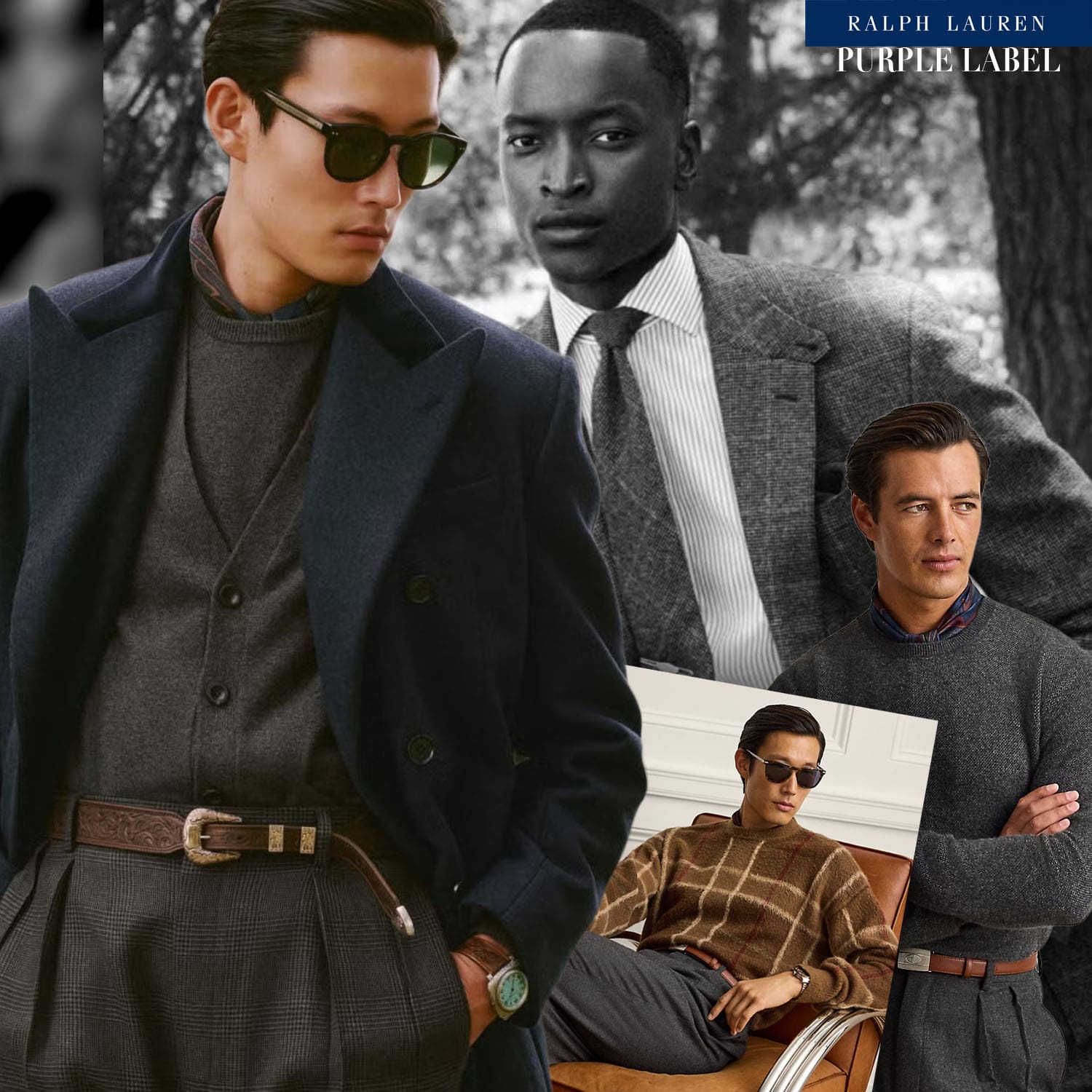
For his pinnacle menswear collection, the designer employs colour to articulate the zenith of sophistication. Purple Label presentations and collections revolve around rigorous monochromatic silhouettes: gradations of charcoal grey, obsidian black, textured cream, and touches of regal purple. In fashion circles, this approach illustrates that absolute refinement arises when exquisite tactile materiality (cashmere, silk) is championed by a singular governing hue.
4. The Aesthetic of the “Weathered by Time”
Ralph Lauren was among the earliest visionaries to venerate the beauty of patina. From the sun-bleached indigos of the RRL range to washed military khakis and aged Havana leather, he introduced the concept that a pigment marked by time, bleached by the elements, or worn through labour carries an aesthetic depth surpassing the pristine. This philosophy remains the lifeblood of high-end vintage, continuing to influence modern streetwear and heritage workwear.
FAZIT
The chromatic palette of Ralph Lauren is not an arbitrary aesthetic exercise; it serves as the narrative cornerstone and commercial lifeblood of a global empire.
Here are the core insights to take away regarding the house’s colours:
- An Instrument of Cultural Storytelling: Ralph Lauren unearthed his palette from the foundational mythologies of American life: the navy and forest green of the Ivy League elite, the equestrian ochres of the country club, and the raw indigo of the frontier West. His colours do not chase trends; they chronicle an aspirational lifestyle.
- The Chromatic Paradox: The house has reconciled two visual polarities. On one hand, the absolute restraint of Quiet Luxury (navy, camel, off-white), championed in Europe and France for its understated pedigree. On the other, a vibrant explosion of solar hues across its iconic polos, embraced across Latin America for its expressive vitality.
- An International Chameleon: The brand’s hues adapt fluidly to regional sensibilities. In Asia, they symbolize Western polish and social achievement; in Northern Europe, they are embraced for their organic minimalism; while in France, they alternate between the classic BCBG uniform and vintage streetwear codes.
- An Extension of the Man: This chromatic mastery stems directly from the personal passions of Ralph Lauren himself. Whether drawn from the lacquer of his vintage sports car collection (Ferrari red) or the sun-baked earth of his Colorado ranch, his private universe continuously fuels his textile canvas.
Ultimately, Ralph Lauren demonstrated that colour wields the power to elevate a garment into a universal emblem of social standing, canonising deep navy blue as the official hue of the American Dream.
Guillaume Duplaix
